Millions of Nigerians are heading to the polls on Saturday as Africa’s most populous nation holds governor elections, amid tensions after last month’s disputed presidential vote.
New governors are being chosen for 28 of Nigeria’s 36 states as the opposition continues to reject the victory of president-elect Bola Tinubu from the country’s ruling party.
On Friday, armed security forces were patrolling the streets across the states where elections were to be held.
Situation Room, a coalition of civil society groups, said: “Ahead of the elections, the security situation across the country appears tense, with reports of violence, kidnap and assassination in several states.”
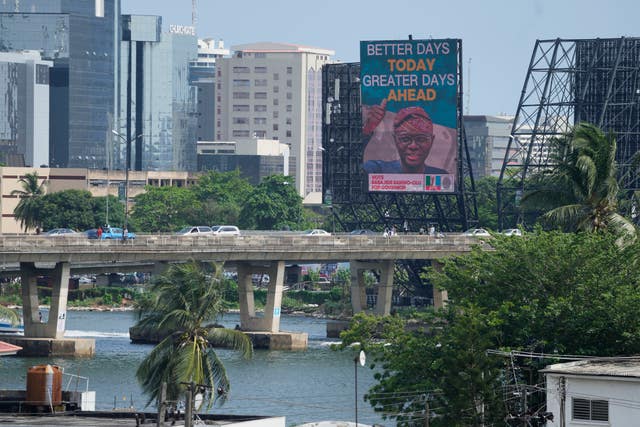
Observers have said that the presidential vote was peaceful for the most part, but there are still fears of attacks in many parts of Nigeria where armed groups often carry out violent killings.
At a security meeting in Nigeria’s capital, Abuja, this week, Nigeria’s national security adviser Babagana Monguno said security forces have been deployed in all violence hotspots and officials do not envisage any major security threat.
“We must allow everyone to exercise their fundamental rights as citizens of this country. Anybody who is itching to undermine this process should please think again,” said Monguno.
Despite being Africa’s largest economy and one of its top oil producers, Nigeria’s development has been stifled by endemic corruption and bad governance, which in many cases involves governors.
Nigeria’s constitution grants enormous powers to the governors yet they are immune from any form of prosecution throughout their four-year tenure with a two-term limit.
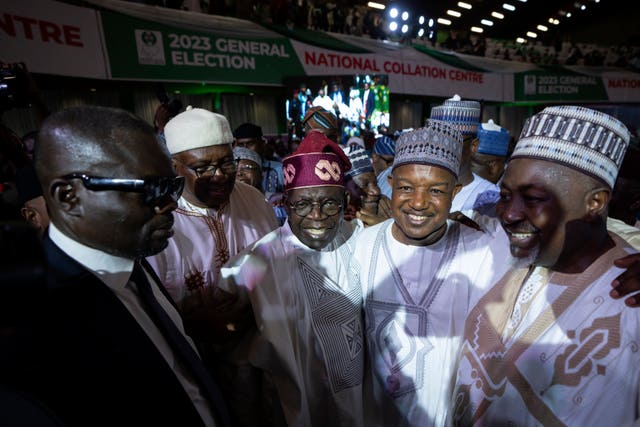
Three political parties have emerged as frontrunners among the 18 filing governorship candidates in the 28 states.
Although there are a record 87.2 million registered voters, analysts fear a repeat of the low turnout in last month’s presidential vote, 26.7%, the lowest in Nigeria’s history.
In Abuja, Kate Imadu, 26, was among many who could not vote in the presidential election despite waiting all day and into the night to cast her vote.
That has made her less interested in travelling to her town in Cross River state to vote for the next governor, she said.
“What is the need of travelling when I couldn’t vote here during the presidential election?” Imadu asked, echoing the frustration of many others.
Nigeria’s Independent National Electoral Commission has promised to address challenges that arose in last month’s election, such as the delays in voting and uploading of results, both of which opposition parties alleged caused the disenfranchisement of voters and the manipulation of results.